
A Place to Study, but No Place to Live
Coming to Luxembourg to study comes with a number of challenges. One of them is finding a place to live. Many students are still looking for accommodation shortly before the start of the academic year.

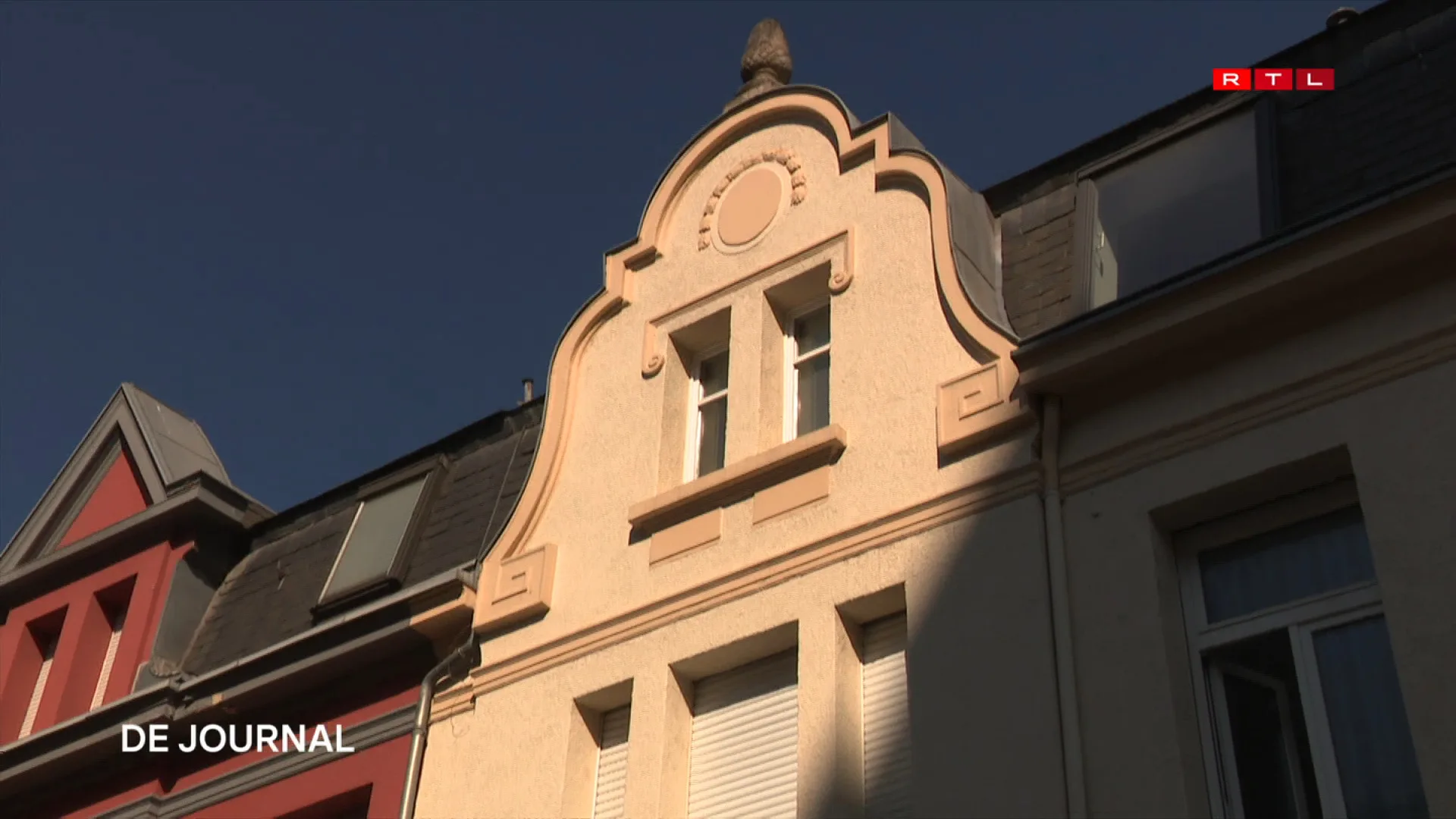
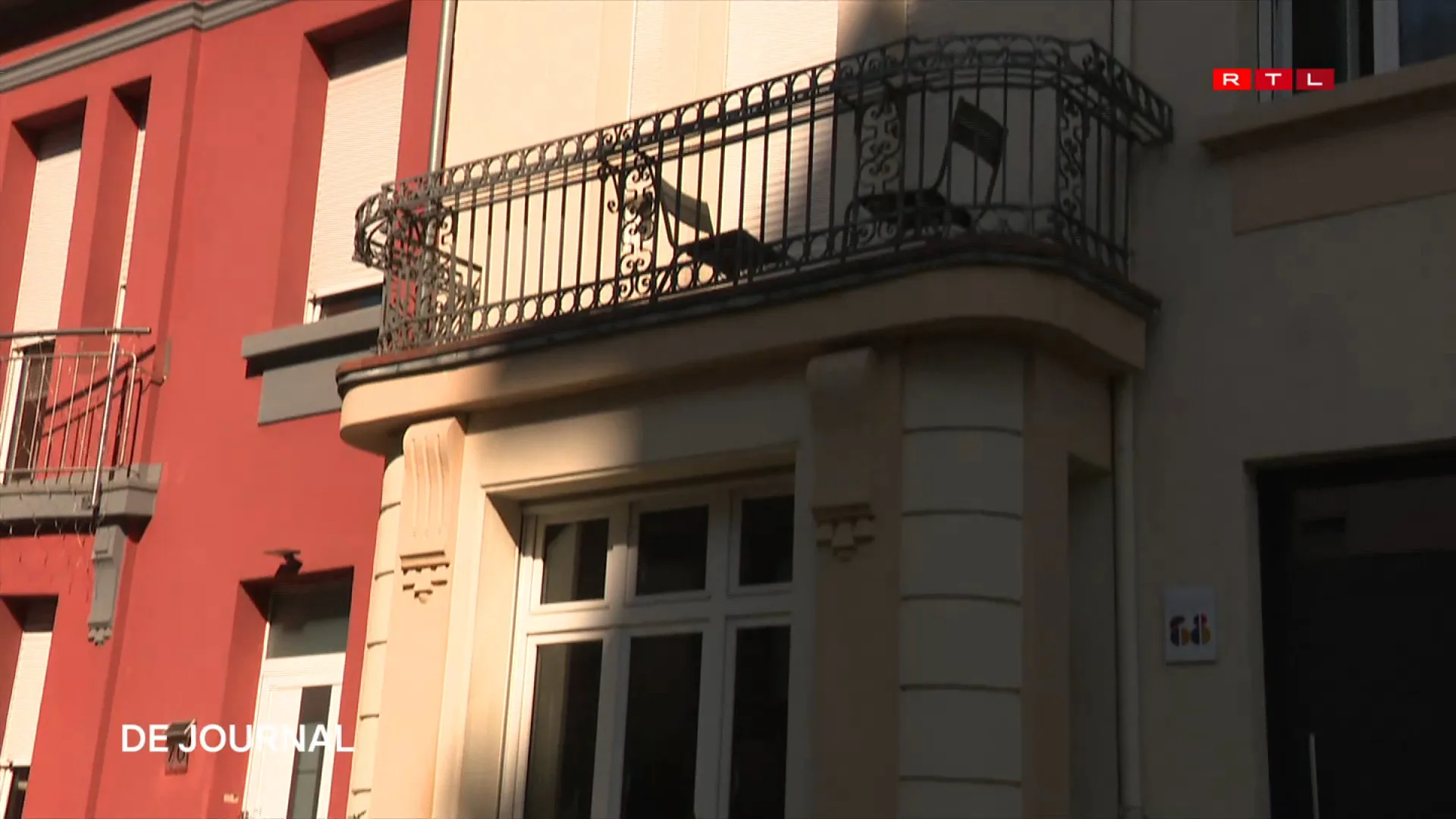
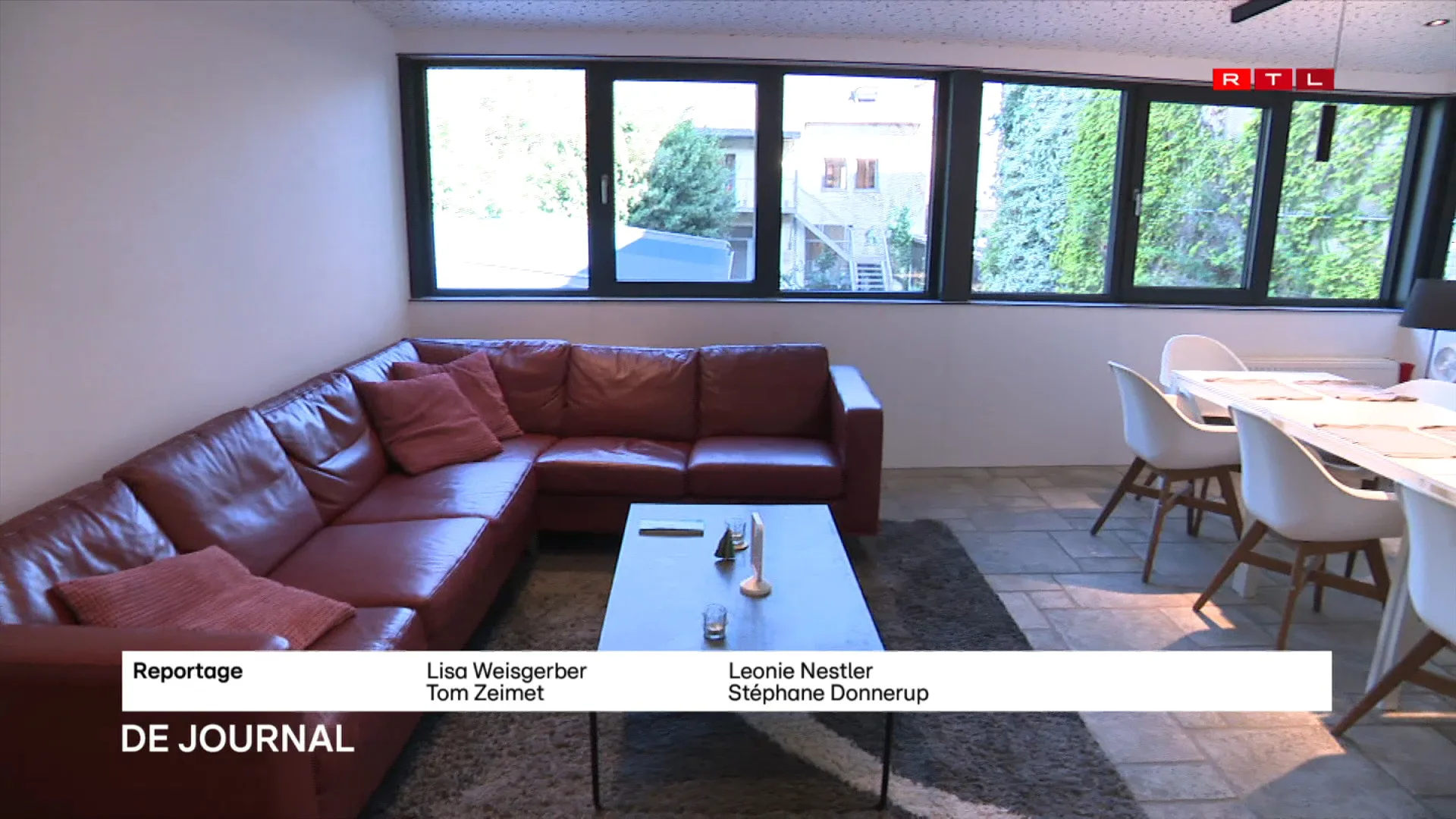
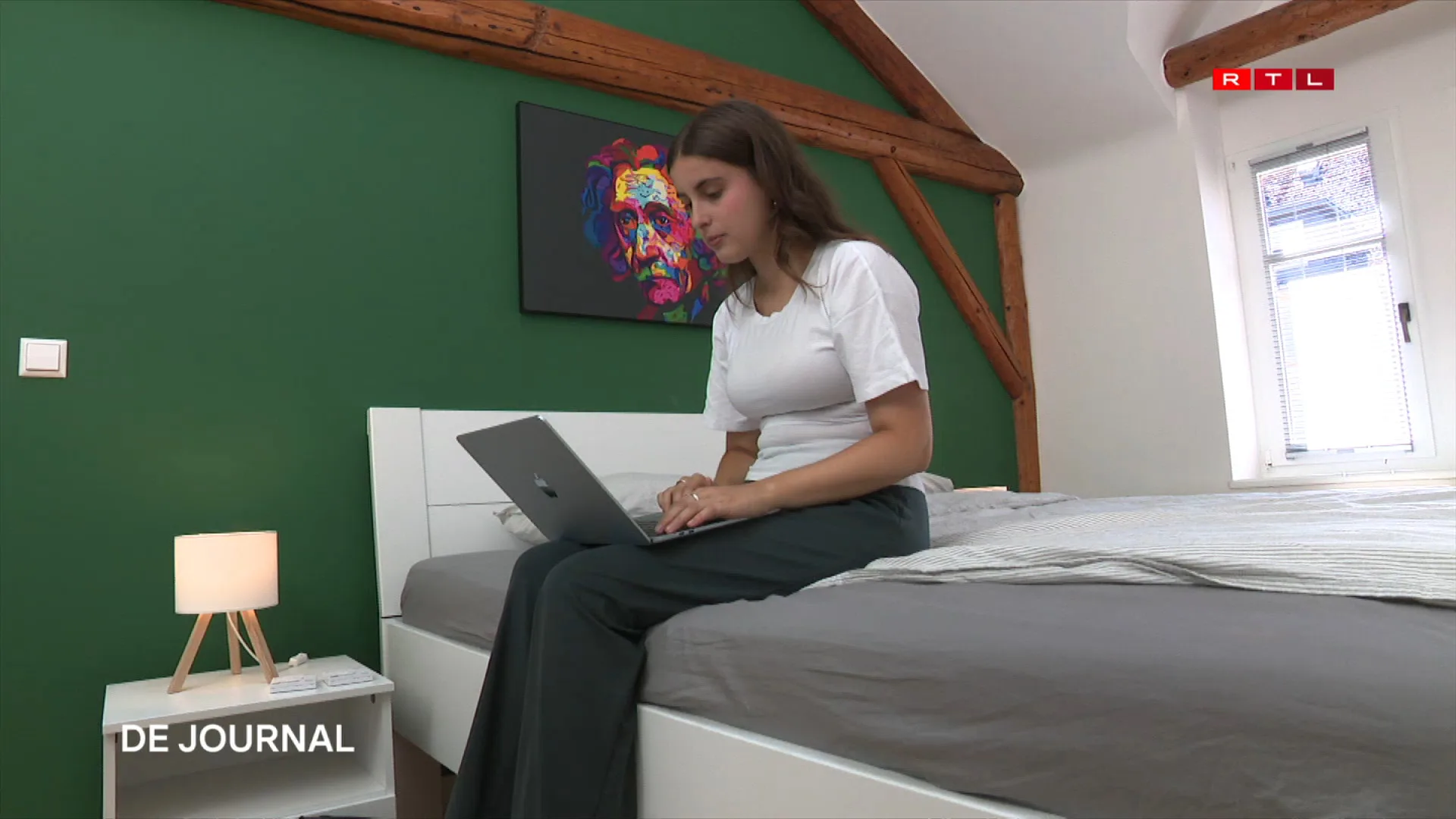
In a few weeks, the new semester will begin at the various University of Luxembourg campuses. Last year, 8,560 students attended the University. Of these, 56.5% came from abroad. This year, more than 7,200 students are expected. Preparing for university studies also means finding long-term accommodation, which in Luxembourg is proving to be a major challenge.
Last year, students from around 150 different nationalities studied in Luxembourg. For many of them, the question of affordable accommodation is often still unresolved even after their place at the university has been confirmed. This is once again the case this year, including for Emad Vosoughi. The Master’s student received his admission letter for his study programme.
“When I was accepted, the letter stated that the university could not guarantee accommodation. To be honest, I had already been told this when I applied to the university, so I knew from the beginning.”
The University does offer its own student residences, but it cannot guarantee a place for everyone. This is communicated not only during the registration and admission process, but is also clearly stated on its website when students apply for a place in one of the residences.

The University of Luxembourg is aware of the problem and also offers alternatives. One of them is WeConnect, a platform that facilitates intergenerational living. The idea is to offer students rooms in the homes of older people or other private individuals at an affordable price. The platform is also feeling the pressure from the growing number of students looking for accommodation. Around a year ago, WeConnect had approximately 100 so-called hosts registered on the platform. The organisation is now looking for around 50 additional people who would be willing to accommodate a student.
Clémentine Offner from WeConnect explains:
“Now is the main time when we need people who are willing or able to accommodate someone in their home, in order to help the students who are arriving. Because every year, there are students who have to give up their studies in Luxembourg because they have not been able to find accommodation.”
However, the problem is not always a lack of willingness to help. Some potential hosts would be happy to accommodate a student but face administrative obstacles. The organisation understands that regulations are necessary, but believes that more flexible solutions could be possible in certain cases.
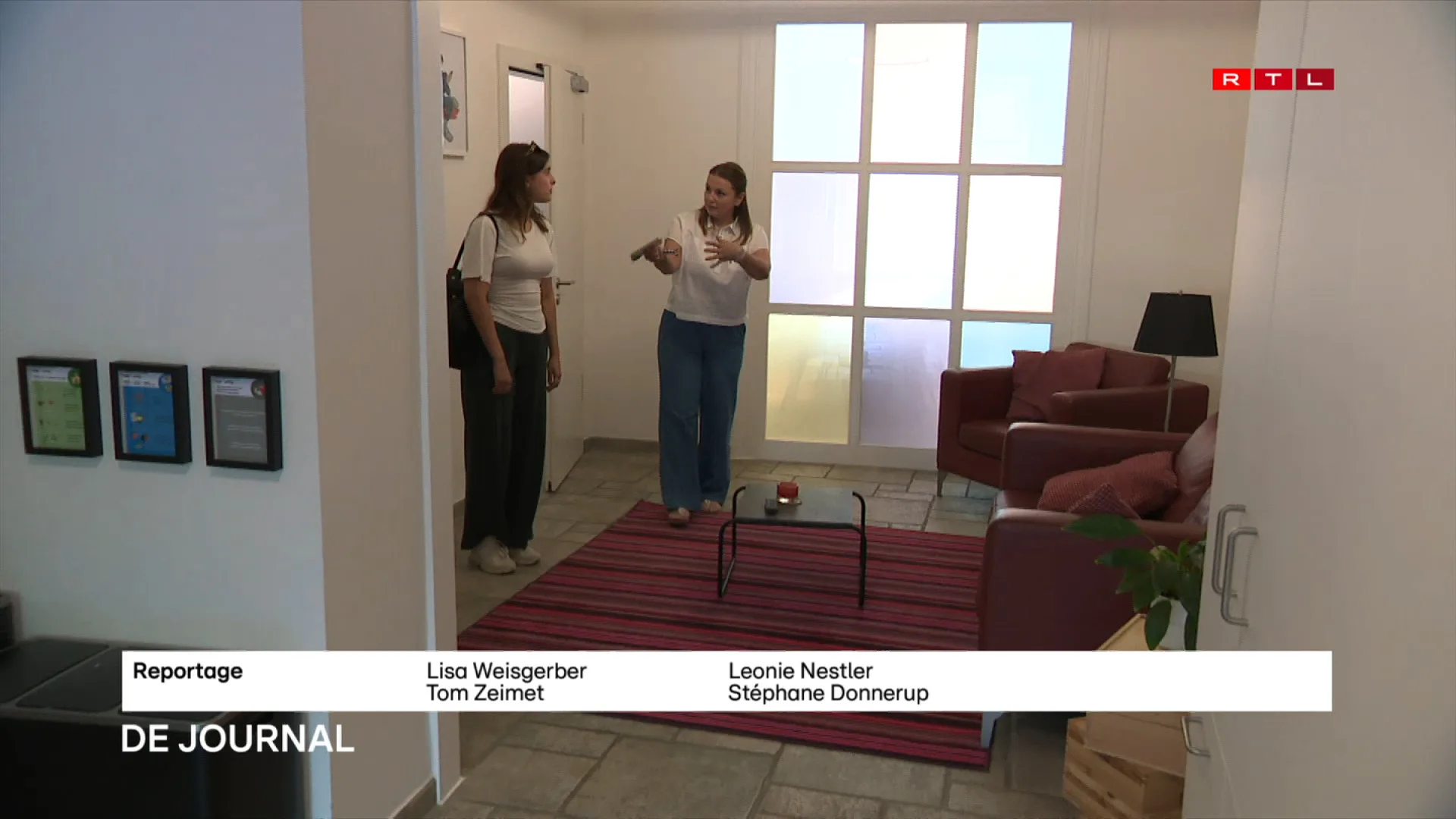
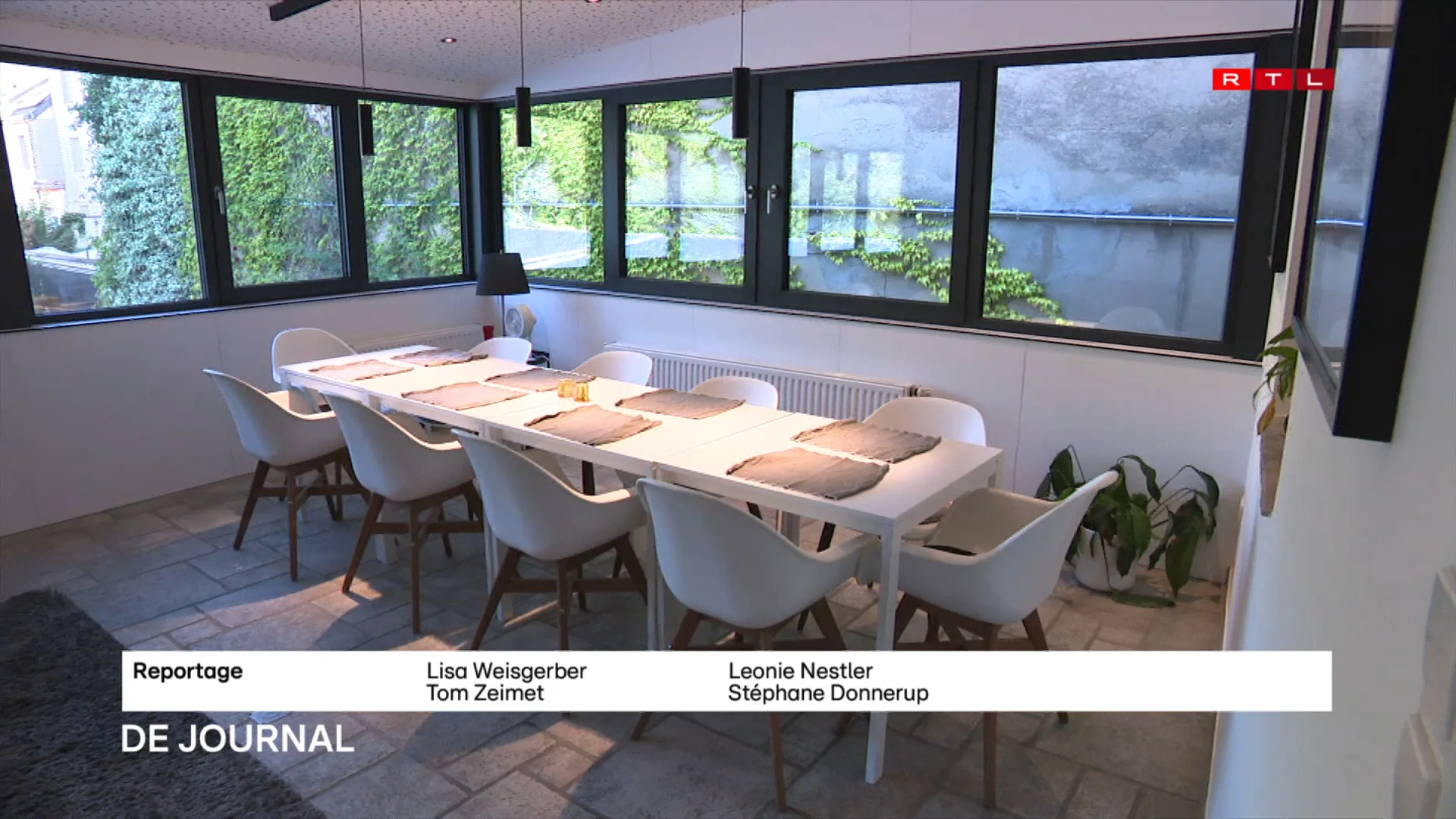
In addition to university residences and WeConnect, there are also private individuals who provide student accommodation or rooms. Some property owners, for example, have converted single-family homes into student residences. They can decide themselves what type of students they want to accommodate. Some residences, for example, are exclusively aimed at Master’s or PhD students.
These residences are also experiencing strong demand from students coming from abroad and looking for accommodation, as explained by Ines Jacoby, manager of a private student residence:
“For Master’s students, we do indeed have peaks before March and before September, like now, whereas for PhD students, it is throughout the entire year.”
Students from abroad are not limited to neighbouring countries, even though these account for the largest proportion. The private student residence also receives enquiries from outside Europe.

For many students, however, providing proof of financial means is another obstacle. Many landlords require an employment contract as a form of security. For international Master’s students, however, this is not always possible. As a general rule, they are only allowed to work a limited number of hours and therefore often cannot provide a full-time employment contract.
The coming weeks could therefore be decisive for many international students. Classes begin on 15 September. Until then, students are still hoping to find a place to live. This includes Emad, who has not yet given up hope and is convinced that he will be able to start his studies in Luxembourg in mid-September.
The shortage of student accommodation was also a topic discussed by ACEL. Mattis Noël, President of ACEL, the Association of Luxembourg Student Circles, explained this when he was a guest on Radio 100.7’s editorial programme on 19 August.
Source: https://rtl.lu , 29 août 2026(Lisa Weisgerber)